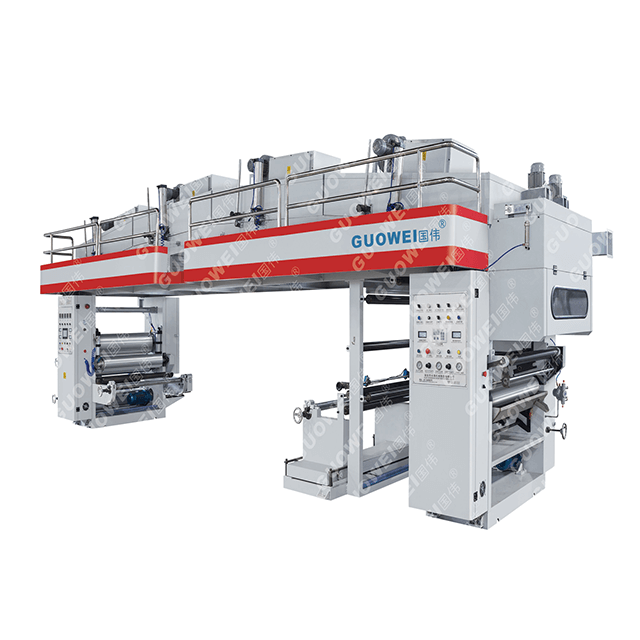
Views: 0 Author: Site Editor Publish Time: 2026-07-07 Origin: Site
Understanding how a laminating machine works is not just a technical exercise. It forms the absolute foundation for making informed capital equipment purchases. Many facility managers struggle when newly installed equipment fails to meet high production demands. The mechanical differences between adhesive application, heating methods, and tension control directly dictate your daily production speed. They also govern operational costs and substrate material compatibility. Choosing the wrong mechanism often leads to wasted web materials and unacceptable production downtime.
Before evaluating specific manufacturer models, you must align the core physics of lamination with your reality. Heat, pressure, and chemical bonding must match your specific production demands. You also need to satisfy local environmental compliance requirements. In this comprehensive guide, we explore the exact mechanics driving different lamination processes. You will learn how to evaluate various heating methods and categorize process types accurately. This knowledge empowers you to optimize your production floor confidently and avoid expensive machinery mismatches.
The fundamental mechanism of all laminating machines relies on precisely controlling web tension, adhesive distribution, and nip roller pressure to eliminate air entrapment and ensure bond integrity.
Wet and Dry methods involve solvent or water-based adhesives that require distinct drying processes, impacting machine footprint and energy consumption.
Solventless technology relies on chemical curing rather than thermal drying, eliminating VOC emissions and drastically reducing energy costs, though it requires stricter tension control.
The choice of heating element—such as an electric heating laminating machine versus oil-heated systems—determines thermal uniformity, start-up times, and ongoing maintenance liabilities.
Lamination failure happens frequently in fast-paced industrial environments. Issues like severe delamination, edge curling, or center bubbling ruin expensive substrate rolls. These defects almost always stem from a misunderstanding of the equipment's core operational physics. If operators ignore the fundamental science of bonding, final output quality inevitably suffers. You must grasp three critical mechanical zones to run a successful operation.
Unwind and rewind tensioners perform a vital job. They keep flexible substrates completely flat and taut at all times. They prevent microscopic wrinkles before the material enters the primary bonding phase. Proper tension ensures smooth, defect-free merging of two distinct material layers. If tension fluctuates, the resulting laminate will bow or curl after cooling. Advanced machines utilize closed-loop load cells to monitor this. These sensors adjust brake torque in milliseconds. They compensate continuously for the shrinking diameter of the supply roll.
The machine transfers liquid or melted adhesive to the substrate using highly specialized components. Anilox rollers and smooth metering rollers work together seamlessly. They apply extremely precise coat weights across the entire web width. They guarantee uniform coverage without depositing excess adhesive. The cell volume of the anilox roller dictates the exact volume transferred. Too much adhesive causes messy edges and poor curing. Too little adhesive creates weak bonding spots and structural failure.
This represents the actual point of lamination. Two independent substrates converge here. Hydraulic or pneumatic cylinders apply intense, uniform pressure across the roller face. They force the applied adhesive deep into the microscopic pores of the web materials. This intense physical action creates a permanent, structural bond. The Shore A hardness of the rubber nip roller plays a huge role here. It dictates how the pressure distributes across slightly uneven substrate profiles.
Different industrial applications demand fundamentally different mechanical approaches. Food packaging requires distinct barrier bonding compared to commercial print finishing. You must match your machine category to your chosen material. We divide these solutions into three primary process methods.
A Dry Method Laminating Machine operates using pre-coated thermal films. The system relies heavily on a large heated chrome roller. The machine applies intense heat to activate a solid EVA adhesive layer already present on the film. Immediately following this thermal activation, extreme pressure bonds it securely to the target substrate.
This setup offers very low startup complexity. Operators handle no liquid solvents, making daily cleanup remarkably fast. However, your consumable costs per square meter remain higher due to the premium price of thermal films. This method works best for commercial print finishing, book covers, and rigid packaging boxes. It thrives where speed, cleanliness, and operational simplicity matter most.
A Wet Laminating Machine applies a raw liquid adhesive directly to one substrate. You typically use water-based or solvent-based adhesives. The two materials press together while the adhesive remains entirely wet. They then pass through a long, high-temperature tunnel.
This method proves highly effective for highly porous materials. Bonding paper to aluminum foil serves as a classic example. The liquid seeps deep into the paper fibers before setting. However, it requires significant drying tunnel infrastructure. These tunnels must evaporate the water or solvent carrier completely before rewinding. This requirement drastically increases the machine's physical footprint. It also elevates your daily energy consumption due to the high-heat drying process.
A Solventless Laminating Machine represents modern manufacturing efficiency. It mixes a two-part, 100% solid adhesive system on the fly. Substrates bond instantaneously without passing through any drying ovens. They rely purely on a post-lamination chemical curing process.
This technology remains the undisputed industry standard for flexible food packaging. It eliminates harmful VOC emissions completely from your factory floor. This compliance-friendly approach lowers energy costs and enables incredibly high-speed production runs. The primary trade-off involves strict operational discipline. You must monitor coat weights meticulously. You also need a dedicated, temperature-controlled curing room to store the finished rolls for 24 to 48 hours.
The method of heat delivery directly impacts your bond strength consistency. It also drives your long-term operational overhead. Choosing the right thermal engine dictates your daily workflow and preventive maintenance schedule.
An Electric Heating Laminating Machine utilizes internal electrical resistance heaters. Manufacturers often place highly efficient infrared or quartz tubes inside the hollow laminating rollers. They generate immediate, direct surface heat.
This mechanism offers impressively rapid heat-up times. It requires lower initial equipment costs compared to complex fluid systems. It suits intermittent production runs and short-run job shops perfectly. However, you must monitor it closely during high-speed, heavy-duty continuous operations. Thermal recovery can fluctuate slightly. The roller surface temperature might drop if a cold web absorbs heat faster than the elements can replenish it.
These robust systems circulate heated thermal fluids through the core of the nip rollers. An external boiler or heater unit warms the oil or pressurized water. A heavy-duty pump then continuously pushes it through rotary joints into the roller cavity.
Fluid heating provides absolutely unmatched temperature stability across very wide webs. It excels during continuous, multi-shift production where thermal consistency is non-negotiable. The massive thermal mass of the fluid prevents sudden temperature drops. The downside includes intensive, messy fluid maintenance. You must check for leaks at the rotary joints constantly. It also involves much slower daily start-up and cool-down cycles.
How do you translate technical specifications into smart buying decisions? You must align mechanical capabilities directly with your facility's strategic goals. We outline the core shortlisting dimensions below to guide your procurement process.
You must align equipment speed limits with your chosen adhesive curing mechanisms. High-speed runs require adhesives that cure quickly without allowing layers to slip. Evaluate the meters per minute capability against your daily output targets. If you run 500 meters per minute, a solventless system handles the volume beautifully. Conversely, running a wet system at those speeds requires an excessively long drying tunnel. You must calculate if your facility has the linear space for such a massive setup.
Always factor in strict emission regulations before signing a purchase order. Solventless systems inherently bypass EPA and local VOC restrictions because they emit nothing. They offer a future-proof solution against tightening environmental laws globally. In stark contrast, solvent-based wet methods demand costly exhaust systems. You must install massive catalytic oxidizers or solvent recovery units to process the fumes legally. Keep compliance at the absolute forefront of your facility planning to avoid sudden fines.
Process Mechanism | Adhesive Type | Drying Requirement | Best Application Area |
|---|---|---|---|
Dry Thermal | Pre-coated EVA | None (Heat Activated) | Commercial Print Finishing |
Wet Base | Water or Solvent Liquid | Long Thermal Drying Tunnels | Paper to Foil Bonding |
Solventless | Two-Part 100% Solid | Post-Run Chemical Curing | Flexible Food Packaging |
Operating commercial laminators involves hidden realities. You must plan for human limitations and spatial constraints. Ignoring these practicalities leads to severe bottlenecks and delayed production schedules.
Your workforce dictates your success entirely. Solventless systems demand highly skilled operators. These technicians must monitor exact mix ratios and web tension constantly. Because the adhesive offers zero initial tack, the web will misalign if handled poorly. Operators must understand complex fluid dynamics and tension physics. Dry methods require far less specialized training. You can train a new operator on a thermal film system in just a few days.
Always assess floor space requirements thoroughly. A wet laminator requires heavy ventilation ducting and long drying tunnels. It consumes massive amounts of linear floor space. A solventless laminator requires very minimal floor space for the machine itself. However, it mandates a separate, climate-controlled curing room for the finished rolls. You must hold these heavy rolls at specific temperatures for days before slitting them.
To ensure smooth operations, implement these strict infrastructure best practices:
Install dedicated climate controls around adhesive mixing stations to maintain consistent viscosity.
Ensure heavy-duty electrical power drops are available if you run extensive electric heating tubes.
Designate a secure quarantine staging area for rolls currently undergoing chemical curing.
Map out clear forklift pathways to safely transport heavy substrates to the unwind stations.
Factor in rigorous routine cleaning protocols. Adhesive application rollers require meticulous daily maintenance. If you leave catalyzed adhesive on a metering roller, it will cure into a solid block overnight. Heated nip rollers follow specific replacement schedules due to inevitable rubber degradation. You must also swap out thermal fluids in oil-heated systems annually to prevent hazardous sludge buildup. Ignoring these strict protocols leads to sudden, catastrophic mechanical failures.
A reliable laminating machine works through a remarkably precise orchestration of web tension, specialized adhesives, and applied heat. The nip rollers serve as the grand finale, binding everything together seamlessly under extreme pressure. Understanding this underlying physics empowers you to troubleshoot material defects effectively on the floor.
The perfect machine does not exist in a vacuum. It is determined entirely by matching the mechanical process to your specific substrates. You must balance your high-volume production targets with local environmental compliance needs. Whether you choose dry, wet, or solventless technology, total alignment with your factory floor reality remains paramount.
Take immediate action by auditing your facility's current exhaust capabilities. Calculate your average run lengths to determine if fast changeovers or continuous high-speed runs matter most. Finally, request a thorough material test run from short-listed equipment manufacturers using your exact production substrates.
A: Thermal lamination uses heat to melt pre-applied adhesives on a film, binding it to a substrate under pressure. Cold lamination relies strictly on pressure-sensitive adhesives without generating any heat. You typically use cold methods for heat-sensitive materials like vinyl graphics, wax-based inks, or delicate photographs where thermal exposure causes melting or severe distortion.
A: Solventless adhesives possess extremely low initial viscosity, known in the industry as "green tack." If web tension fluctuates during the run, the substrates will slip, tunnel, or misalign completely before the chemical cure completes. Precise tension keeps the physical bond stable until the adhesive fully hardens in the curing room.
A: An electric system typically requires 15 to 30 minutes to reach full operating temperature. This timeframe depends heavily on the roller mass and the heating element's wattage. It offers a distinct operational speed advantage over thermal fluid systems, which take significantly longer to heat up and cool down.
A: Yes, combi-laminators or modular machines can perform multiple methods on a single frame. They offer excellent operational versatility for facilities managing highly diverse product lines. However, this flexibility requires a higher initial capital expenditure and demands much more complex daily maintenance protocols than single-purpose systems.