Views: 0 Author: Site Editor Publish Time: 2026-01-29 Origin: Site
Many buyers ask one key question. What is the difference between gravure and flexo printing for packaging today.This guide explains the difference between gravure and flexo printing. It also compares a Gravure Printing Machine, like Guowei’s, for stable long runs.You will learn print quality, cost, and best use cases. You can also learn more about our products.
The most direct difference between gravure and flexo printing is how each process carries ink and transfers an image. Gravure is an intaglio method, meaning the design is engraved into recessed cells on a metal cylinder. Ink fills those cells, a doctor blade removes surface ink, and pressure transfers ink onto the substrate. Flexographic printing is a relief process, where the image is raised on a flexible plate. Ink is metered by an anilox roller and pressed directly onto the material. These gravure vs flexo printing process differences influence resolution, tonal smoothness, and consistency. Gravure often excels in photographic detail, while flexo offers speed and flexibility for many packaging formats. Understanding this core workflow is the foundation for any gravure vs flexo decision.
A gravure cylinder vs flexo plate comparison explains many business outcomes. Gravure cylinders are engraved metal carriers, usually copper-coated and chrome-finished, designed to last through millions of impressions. They are expensive to produce, but they deliver stable repeatability over long production cycles. Flexo plates are polymer or rubber-based, cheaper and faster to make, and easier to change when designs update. However, plates wear faster than cylinders, which can introduce variation over extended runs. This structural contrast shapes cost structure, lead time, and quality expectations. For packaging buyers, it often becomes a question of long-run durability versus short-run agility.
Ink transfer also differs in how it interacts with packaging materials. Gravure transfers ink from recessed cells, laying down a thicker, more uniform ink film on smooth substrates such as plastic films or foils. This supports rich color depth and smooth gradients. Flexo transfers ink from raised plate surfaces, which works well across both porous and non-porous materials, including paperboard and corrugated packaging. Flexo inks also dry quickly, improving throughput. When evaluating gravure vs flexo for flexible packaging, ink transfer mechanics help explain why gravure is often chosen for premium graphics, while flexo is favored for versatility across many product lines.
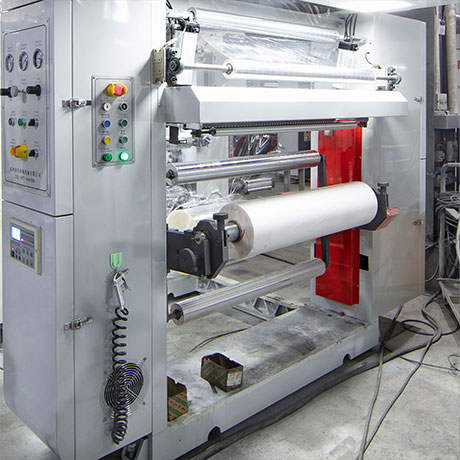
Gravure vs flexo for flexible packaging is one of the most common comparisons in food and consumer goods. Gravure performs best when packaging needs photographic images, subtle gradients, or luxury branding consistency across millions of units. Flexo performs strongly for everyday packaging, labels, and designs that require faster turnaround. Many brands choose flexo because plates are affordable and changeovers are quick. Gravure, however, becomes highly efficient in large-scale production because cylinders last longer and output remains stable. The right choice depends on run length, design complexity, and the visual standard required by the brand.
Gravure printing is widely used for high-end snack bags, tobacco packaging, magazines, decorative laminates, and wallpaper. Flexographic printing is common for labels, corrugated boxes, newspapers, and many general packaging applications. These gravure vs flexo packaging applications show that gravure often serves premium, detail-driven markets, while flexo supports broader packaging needs. Both methods can produce professional results, but their strengths differ by industry expectations. Understanding where each method dominates helps buyers benchmark their own packaging projects against proven use cases.
Packaging quality is not just technical; it shapes customer perception. Gravure printing vs flexography often becomes a branding discussion because shelf impact matters. Gravure provides deep color saturation and smooth tonal transitions, supporting luxury product positioning. Flexo delivers excellent quality for most consumer packaging, especially as HD flexo technology improves. Brands should align printing choice with their market segment. If packaging is a premium differentiator, gravure may justify higher setup cost. If flexibility and speed matter more, flexo may be the smarter path.
Tip: For premium packaging with very long runs, gravure often provides stronger visual consistency.
A gravure printing machine is engineered around engraved cylinders, doctor blades, and powerful drying systems. The machine must maintain stable tension and pressure because even small variations can affect ink release from recessed cells. Cylinder handling requires heavier mechanical systems, which increases setup time but supports continuous high-speed operation. Gravure printing machine advantages over flexo appear in long-run stability, where the same cylinders can print millions of impressions with minimal quality drift. Once running, gravure presses deliver consistent output for large packaging contracts, making them a strategic investment for high-volume manufacturers. Advanced modular systems such as Guowei's Gravure Printing Machine solutions emphasize full automatic tension control and high-precision register accuracy for demanding multi-color packaging runs.
A flexo printing press is designed for agility. Plates are lightweight, easy to mount, and quick to replace, which supports frequent design updates. Flexo presses also work with a wider variety of ink systems, including water-based and UV-curable inks. This makes flexo attractive for brands that need shorter runs, faster delivery, or more sustainable ink options. While flexo may not always match gravure’s finest tonal detail, modern presses achieve very high quality for most packaging needs. Flexo’s operational flexibility is often its biggest advantage.
Gravure printing machine advantages over flexo become clear when production volumes are extremely high. Cylinders last far longer than plates, reducing replacement frequency and maintaining stable quality. Gravure also supports thicker ink films, which can enhance color richness for premium packaging. Flexo remains cost-effective for short and medium runs, but gravure becomes more economical when setup costs are spread across millions of units. This is why many global packaging suppliers still rely on gravure for flagship products requiring flawless repeatability.
Gravure vs flexo print quality comparison often highlights gravure’s superior resolution. Gravure excels at continuous-tone images, smooth gradients, and fine text detail. Flexo quality has improved greatly, especially with advanced platemaking and HD flexo systems, but gravure remains the benchmark for premium photographic packaging. Quality differences may be small for simple graphics, yet become significant for luxury branding or high-detail designs. Buyers should evaluate print samples under real packaging conditions rather than relying only on theoretical comparisons.
Gravure delivers unmatched detail when packaging includes complex images, subtle shading, or metallic finishes. The engraved cells allow precise ink control, producing consistent tonal transitions that flexo may struggle to replicate at the highest level. This makes gravure ideal for premium snack packaging, cosmetics pouches, and decorative laminates. Over long runs, gravure maintains this detail without plate wear effects. For brands that demand the highest visual standard, gravure remains a trusted choice.
Modern flexo competes strongly for many packaging applications. It produces excellent results for bold designs, line work, and high-speed label printing. Flexo’s ability to handle diverse substrates, combined with improved resolution, means it now covers many jobs once dominated by gravure. For companies balancing quality with cost and sustainability, flexo offers a compelling solution. The gap between gravure and flexo continues to narrow, making the decision more strategic than ever.
Gravure vs Flexo Print Quality
Quality Factor | Gravure Printing Strength | Flexo Printing Strength |
Image Detail | Photographic-level sharpness | Very good for simpler graphics |
Gradient Smoothness | Excellent tonal transitions | Improved with HD flexo |
Long-Run Consistency | Extremely stable across millions | Good, may vary over long runs |
Best Packaging Use Case | Premium flexible packaging | General packaging and labels |
Gravure vs flexo cost for long runs depends heavily on volume. Gravure requires high upfront cylinder engraving investment, often the main barrier for smaller projects. However, once cylinders are produced, the cost per unit drops significantly as volume increases. Flexo has lower startup costs because plates are cheaper and faster to produce. This makes flexo ideal for short-to-medium runs or frequent design updates. For million-unit packaging contracts, gravure can become more economical over time.
The break-even point between gravure and flexo is often reached when production exceeds hundreds of thousands or more than one million impressions (estimate, needs verification). Gravure’s high setup cost is justified only when spread across long runs. Flexo remains economically flexible for shorter orders. Buyers should calculate total lifecycle cost, including plate or cylinder lifespan, downtime, and waste rates, rather than focusing only on initial tooling price.
Flexographic printing offers economic flexibility because it supports rapid changeovers and lower minimum order quantities. This is important in markets with frequent product refresh cycles. Flexo also reduces lead time because plates can be produced quickly. For brands testing new packaging designs or managing seasonal SKUs, flexo often provides the best balance of quality and cost control.
Note: Gravure is a long-run investment, while flexo supports faster changeovers.
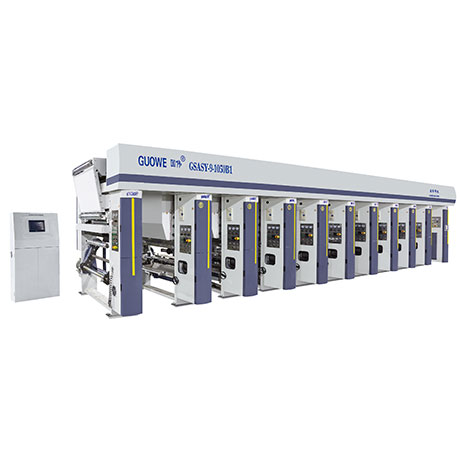
Gravure performs exceptionally well on smooth, non-porous substrates such as plastic films, metallized foils, and laminated packaging structures. It provides uniform ink coverage and premium finish, which is why it dominates high-end flexible packaging. Gravure’s thicker ink film can enhance color saturation on glossy surfaces. For packaging requiring consistent coverage on thin films, gravure remains one of the strongest solutions available.
Flexo is highly versatile across porous and non-porous substrates. It prints effectively on paper, cardboard, corrugated materials, and flexible films. This adaptability makes flexo the preferred choice for brands managing multiple packaging formats. Flexo’s broad material range is one of its biggest competitive advantages, especially in diversified packaging operations.
Choosing between gravure and flexo often comes down to substrate strategy. If your packaging portfolio focuses on premium films and foils, gravure may deliver the best finish. If you need to print across paperboard, corrugated, and films, flexo offers broader coverage. Matching the printing method to substrate requirements reduces defects and improves cost efficiency.
Substrate Compatibility Comparison
Substrate Type | Gravure Printing Fit | Flexo Printing Fit |
Thin Plastic Films | Excellent | Excellent |
Metallic Foils | Excellent | Good |
Paperboard | Moderate | Excellent |
Corrugated Cardboard | Limited | Excellent |
Laminated Packaging | Excellent | Very good |
Gravure inks are traditionally solvent-based, delivering vibrant colors but requiring energy-intensive drying. Flexo inks can be water-based, solvent-based, or UV-curable, offering more environmentally friendly options. Ink choice affects VOC emissions, drying energy, and recyclability. For packaging companies facing stricter sustainability requirements, ink systems are becoming as important as print quality.
Flexo is often considered the greener option because water-based inks reduce VOC emissions and improve workplace safety. UV-curable inks also support fast curing with lower energy use. Flexo’s quicker setup often generates less waste for short runs. These factors make flexo attractive for brands prioritizing sustainability.
Modern gravure printing is improving through solvent recovery systems, better drying efficiency, and research into alternative ink formulations. Sustainability is now a major driver of gravure innovation. While flexo still holds an environmental advantage in many cases, gravure technology continues to evolve to reduce emissions and energy consumption.
If your project demands premium image reproduction and millions of identical impressions, gravure is often the best choice. Gravure printing machines deliver unmatched consistency and detail for flagship packaging. This is especially true for luxury consumer goods and high-volume snack packaging.
If you need faster turnaround, lower setup investment, and frequent design changes, flexo is usually the smarter solution. Flexo supports diverse substrates and sustainable ink options, making it ideal for dynamic packaging markets.
Key decision factors include run length, design complexity, substrate type, budget, sustainability goals, and lead time expectations. The best choice is rarely universal. It depends on how your packaging strategy balances quality, cost, and flexibility.
Tip: Always evaluate both volume and branding needs before selecting gravure or flexo.
Quick Decision Summary
Business Need | Gravure Printing Best Fit | Flexo Printing Best Fit |
Premium image reproduction | Yes | Sometimes |
Frequent design changes | No | Yes |
Very long production runs | Yes | Limited |
Lower startup investment | No | Yes |
Broad substrate versatility | Moderate | Excellent |
Gravure uses engraved cylinders for premium detail and long-run consistency. Flexo uses flexible plates with lower setup cost and faster changeovers. The best choice depends on volume, substrate, and quality goals. For high-end flexible packaging, Gravure Printing Machine solutions from Guowei offer stable performance, precise register, and helpful technical support.
A: Gravure uses engraved cylinders, while flexo uses flexible plates for ink transfer.
A: Gravure vs flexo for packaging depends on volume, but gravure suits million-unit jobs.
A: A gravure printing machine vs flexo press comparison shows gravure gives richer detail.
A: Gravure vs flexo cost for long runs favors gravure after high setup costs are spread.